
Journal
Selling a Luxury Car Privately in Switzerland: A Matter of Perspective
You can spend a long time looking at a car listing without having any intention of buying it. Sometimes, an unusual colour is enough. Or a light-coloured interior, photographed well enough to reveal its true shade. You open a second picture, then a third. No appointment, no conversation with the seller. Just the pleasure of looking. Some cars deserve a closer look, whether or not you're in the market for one. For their owners, however, conveying what makes a particular car special is not always easy. When owners decide to list their vehicles themselves, the choice of platform, photographs and words all become part of that presentation.
Where a Car Is Listed Matters
On major automotive marketplaces, an affordable used city car can appear alongside a Porsche 911, a Ferrari or a rare classic. These platforms cover a broad market, from everyday transport to the most exclusive models. That variety is part of their appeal. But owners of high-end vehicles may also prefer to present their cars in a more specialised environment. 80k focuses on premium, sports, luxury and collector cars priced from CHF 80,000. The Swiss marketplace brings together vehicles within this particular segment, listed by both private owners and professional dealerships. Owners can continue advertising on established automotive portals while also presenting their cars on a platform dedicated to this category of vehicle. The setting changes. The car remains the same.
What Familiarity Makes Us Overlook
The owner knows where every control is. They recognise the sound of the door closing and barely notice the colour of the stitching anymore. They also remember why a particular option mattered so much that they passed over several otherwise perfectly suitable examples. Someone reading the listing discovers these details for the first time. "Beautiful specification" leaves plenty to the imagination. The exact paint colour, seat upholstery and a few clearly identified options provide something more substantial. There's no need to reproduce the entire original equipment catalogue. A long list of ordinary features can obscure the one detail that deserved a few sentences of its own. The sunroof is visible in the photographs. Recent maintenance isn't.
A Car, Not a Backdrop
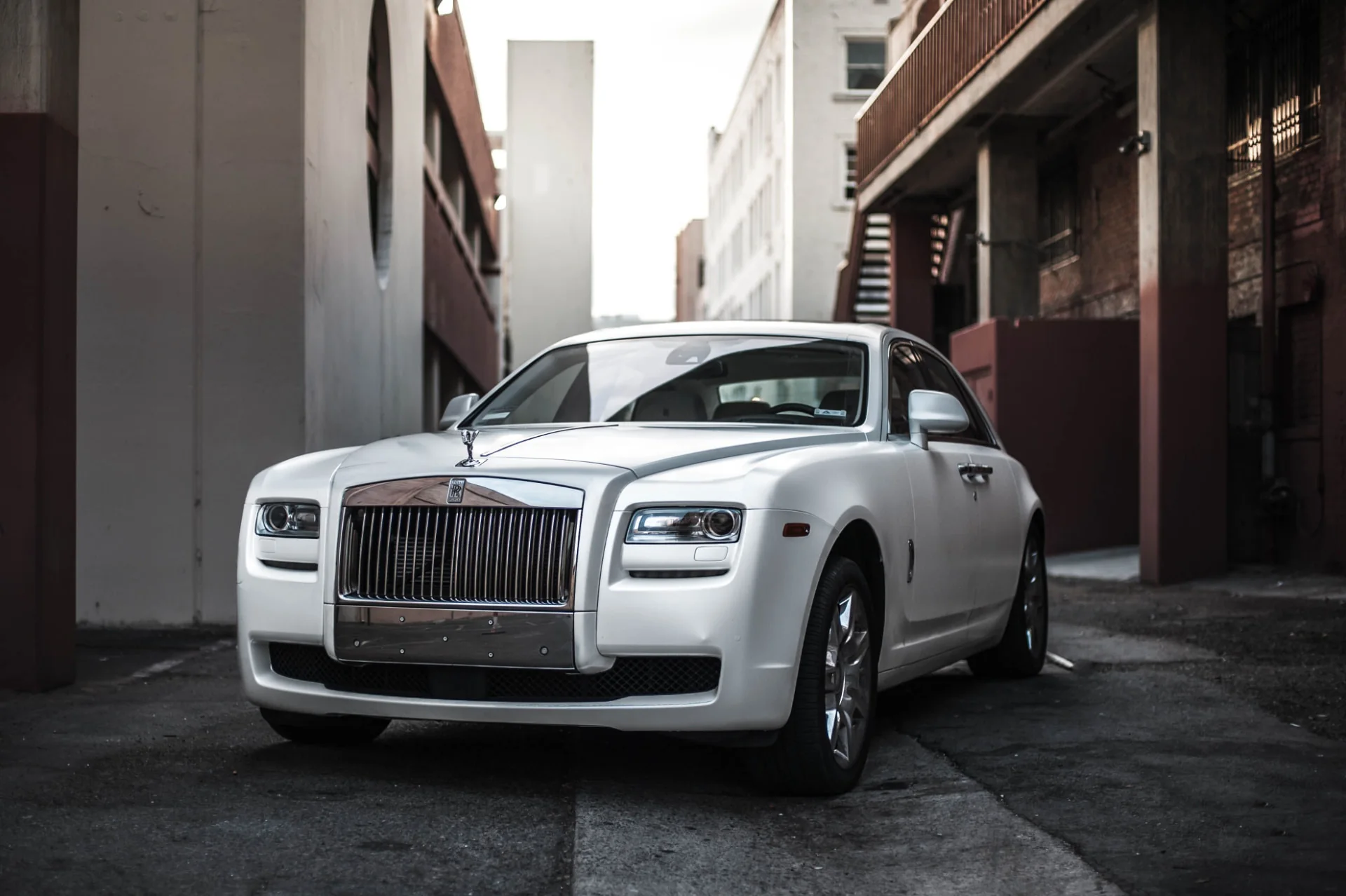
Photographing a car in front of a spectacular building carries a simple risk: the building may attract more attention than the car. An understated background allows the lines to stand out. A three-quarter view shows the overall shape, while a side profile reveals the proportions. Inside, a wider photograph establishes the layout before close-ups draw attention to individual details. Signs of use deserve the same care. A mark on an alloy wheel can be difficult to assess in an extreme close-up. An overall photograph followed by a detailed shot makes its position and extent easier to understand. Imperfections are part of an accurate presentation, just as much as the vehicle's most attractive features.
Adjectives and Service Records
"Exceptional" is a generous word. It tells us little about a car's exact version, history or condition. A description can begin more simply: precise model designation, first registration date, recorded mileage, original specification and any known modifications. Documented maintenance, included accessories and known defects can follow. "Well maintained" is an opinion. A specific service operation, supported by its date and corresponding mileage, provides something more concrete. On certain models, a rare factory option, an unusual colour combination or the presence of original documentation may also deserve a few extra lines, provided the information can be verified. Sometimes there are gaps. An invoice is missing, a modification predates the current ownership or a detail has never been confirmed. Such uncertainties are better acknowledged than filled with assumptions.
The Price and the Conversation
Selling a luxury car privately can be a deliberate choice. The owner sets the asking price, answers questions and handles negotiations directly. Others prefer to leave viewings, price discussions and administrative formalities to a dealership. Both approaches have their place. Potential buyers often begin with practical questions: How many previous owners has the car had? What work has been carried out? Are the invoices available? Is the original equipment included? A detailed listing can answer many of these questions before the first conversation takes place. As for the asking price, superlatives won't make it more convincing. The model, condition, mileage and available market information remain important points of reference.

Staying in Control of the Sale
Owners who choose to sell their luxury cars privately retain control over their listings, conversations with interested buyers and decisions throughout the sale. At 80k, every listing is reviewed before publication. This review checks compliance with the platform's listing rules; it does not constitute a guarantee of the vehicle's condition. 80k connects buyers and sellers directly. The platform does not negotiate prices, handle payments or charge any commission on the sale. Private owners with vehicles priced from CHF 80,000 can choose from several listing options based on their vehicle's value, within a specialised environment free from third-party advertising. Further details about the available services and conditions can be found on the 80k sellers' page.